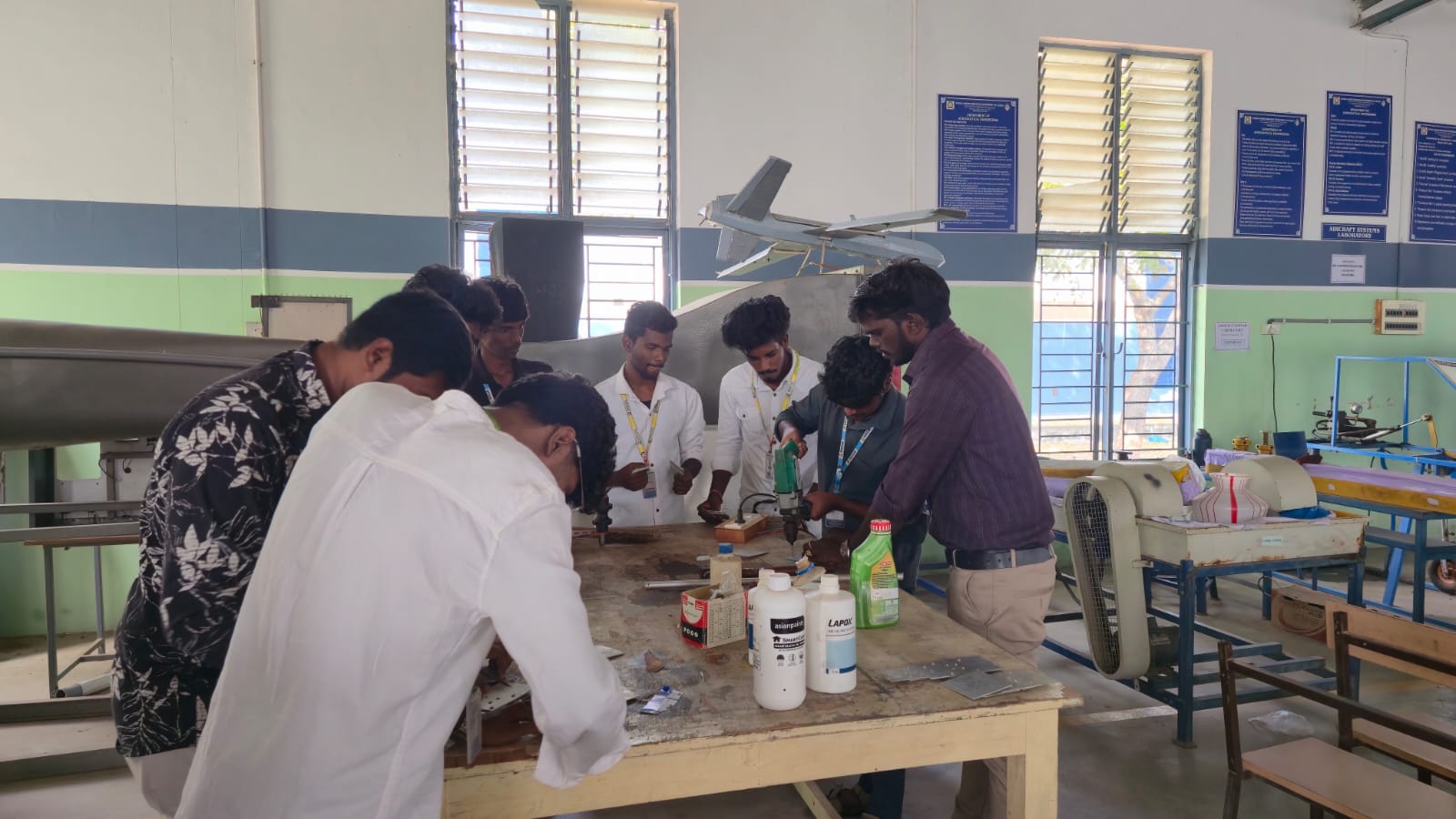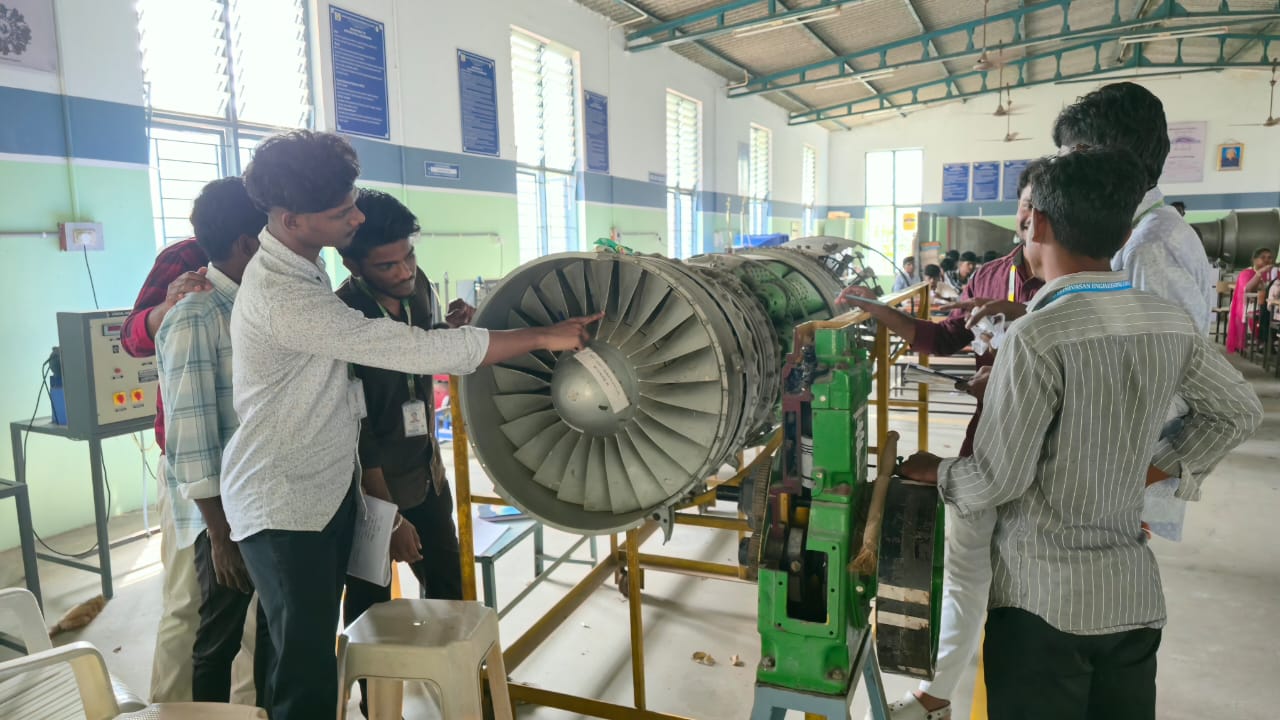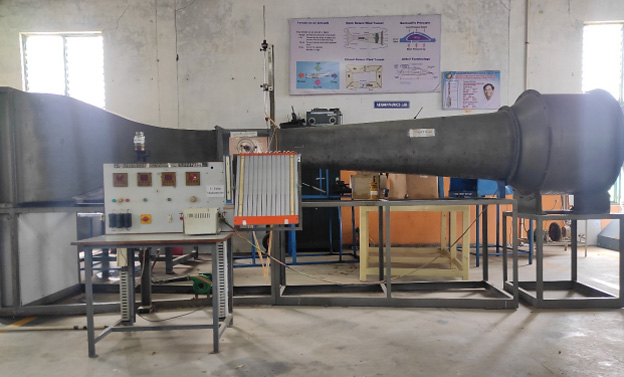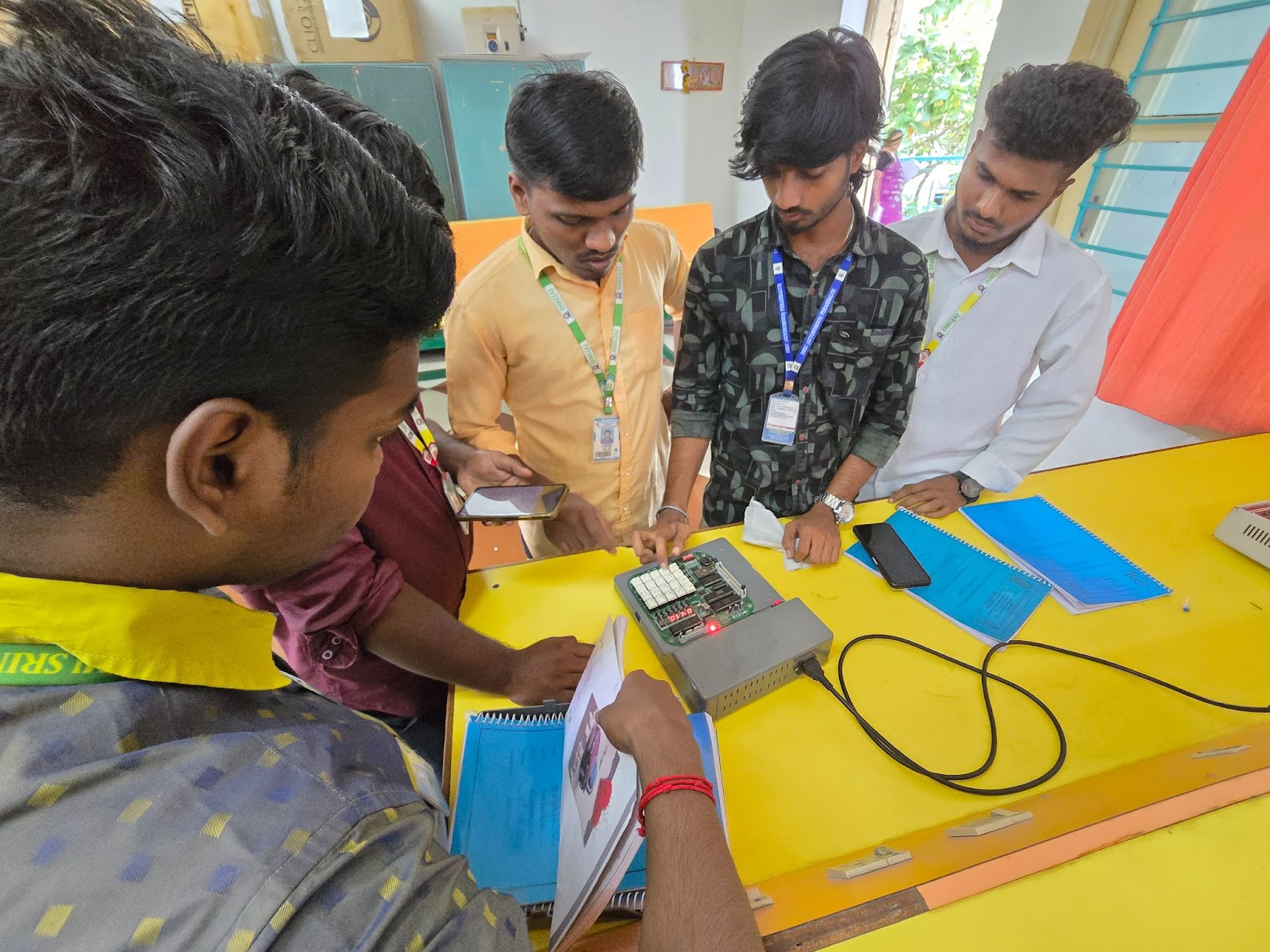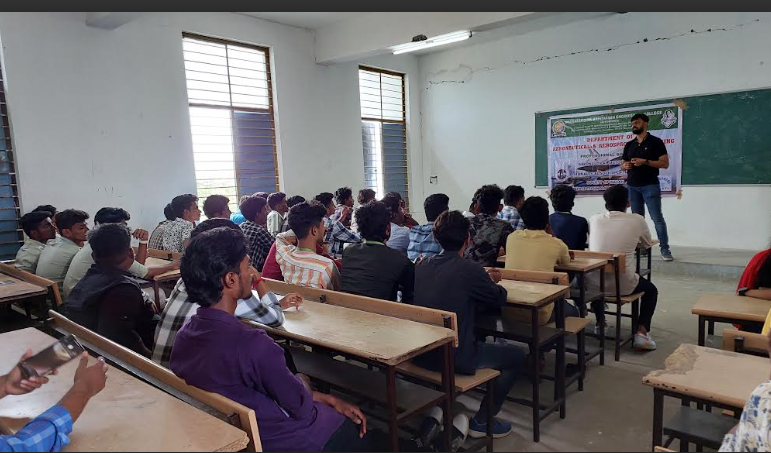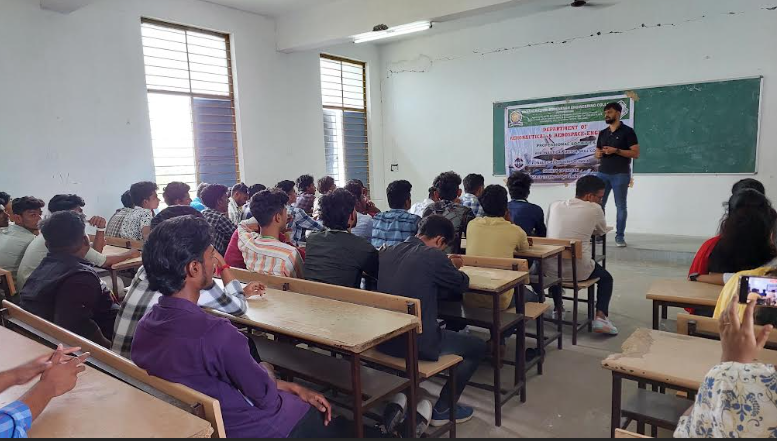
This approach encourages students to think critically, explore new ideas, and actively participate in their own learning journey. By adapting to modern educational needs and diverse learning styles, innovative teaching not only enhances understanding but also fosters curiosity, creativity, and confidence—preparing students to succeed in a rapidly evolving world.
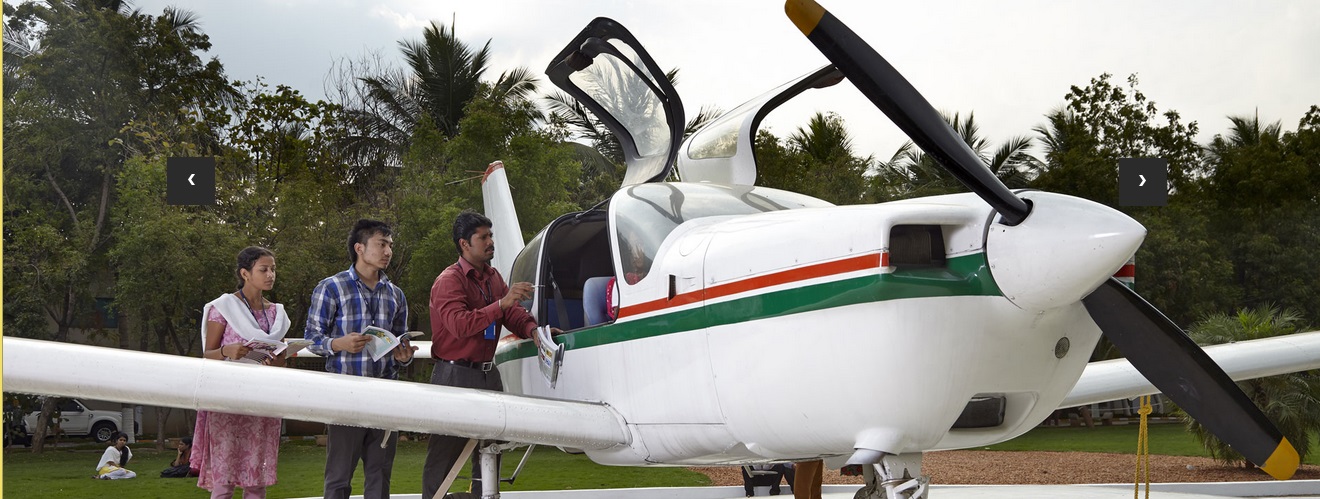
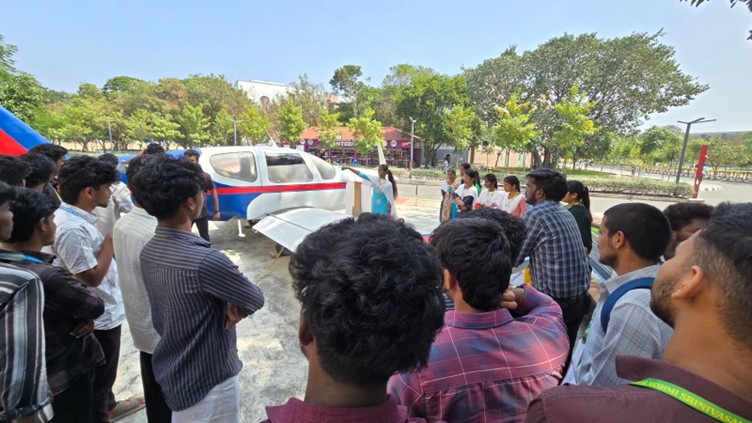
Teaching about airplanes in an open area creates an engaging and practical learning experience for students. Instead of only studying from textbooks, learners can observe aircraft in the sky while understanding important concepts such as the parts of an airplane, the four forces of flight—lift, thrust, drag, and weight—and the basic principles of aerodynamics. This outdoor approach makes complex aviation topics easier to understand, more interactive, and highly memorable as shown in Fig.1.1. By connecting theory with real-world observation, the session inspires curiosity and motivates students to explore careers in aviation, aeronautical engineering, and aerospace technology.